
GoZebra Trade In Program

Black printer with a screen next to text

How Much Is Outdated Technology Costing You?

Go from lagging legacies to leading-edge solutions with GO Zebra.

Upgrade Your Front Line with Go Zebra

How well your front line performs depends in great part on the technology used.  If it's outdated, it's not made to outsmart errors, delays and complexity.

How well your front line performs depends in great part on the technology used.


If it's outdated, it's not made to outsmart errors, delays and complexity.

What is GO Zebra?

GO Zebra is a Trade-in Program where you can earn cash rebates for each piece of old hardware that you trade in, as long as you're also upgrading to the latest devices from Zebra Technologies.

 Replace outdated or damaged hardware


Upgrade to the latest Zebra technology


Reduce operational inefficiences

How Does It Work?

Trade-in almost any brand of device — not just Zebra hardware — and receive a cash rebate toward your next, new Zebra device.

Prepaid shipping label provided by Zebra


No shipping costs to you


Old devices responsibly recycled

How Much Are Your Old Devices Worth?

While each device will vary, you can earn up to $550 per trade-in!

Learn more by viewing the: GoZebra Eligible Products Flyer

It's as Easy as 1-2-3!

Then receive a CASH RABATE!

Yesterday's Technology is No Match for Today's Challenges.

Gain better operational efficiency through upgraded technology.

The GO Zebra Trade-In Program makes the smart move more:

Affordable


Efficient


Eco-Friendly

Learn more at zebra.com/gozebra for the official rules of this program.

More Information You May Like

By Erik Russell April 22, 2026
To Our Valued Customers:
A grey and black Zebra ZT411 industrial label printer with a touchscreen display, shown from a front-side angle.
By Erik Russell April 14, 2026
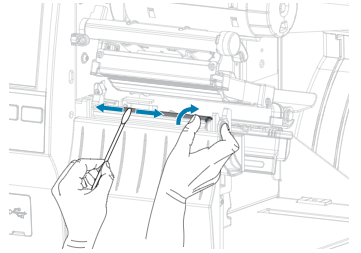
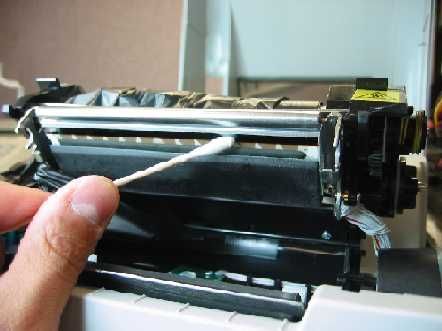
Results of A Dirty Printhead
By Erik Russell April 2, 2026
Results of A Dirty Printhead
By Erik Russell February 24, 2026
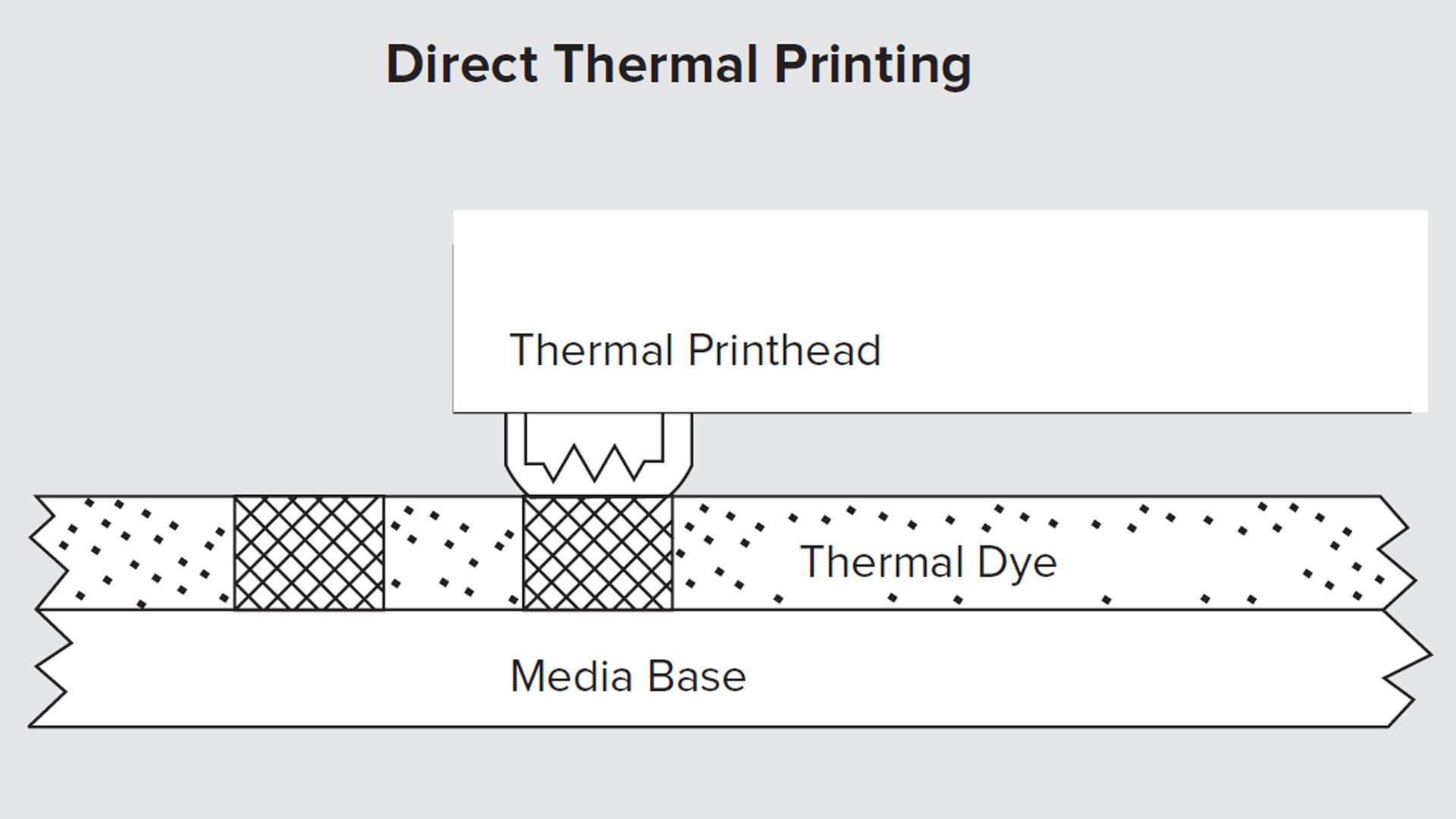
What Is the Difference Between Direct Thermal and Thermal Transfer Printing?
Advertisement for barcode solutions: A worker labels metal parts; text promotes improving operations with small label changes.
By Erik Russell February 11, 2026
Print Confident. Print Quality. Print Zebra.
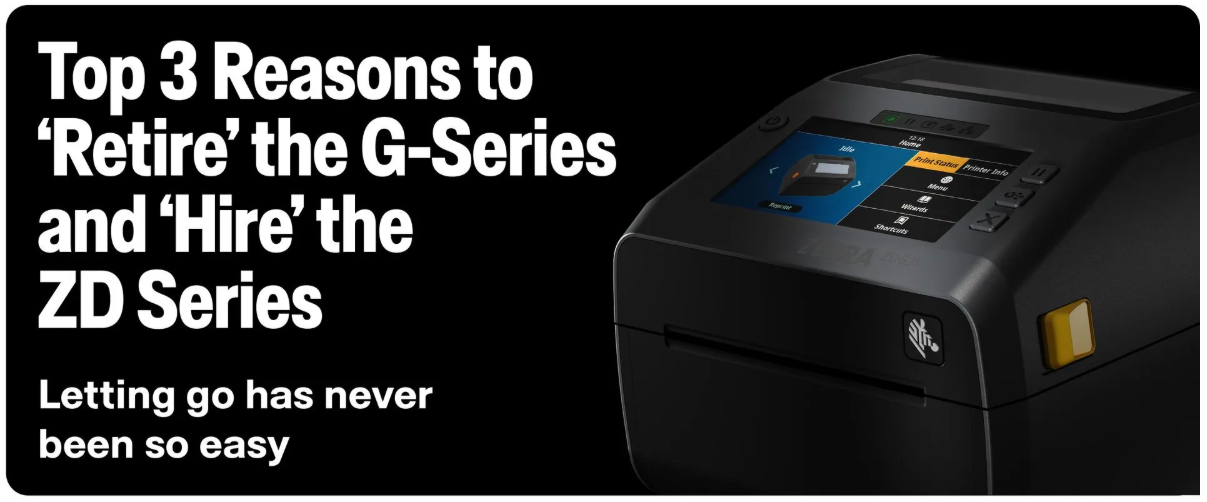
Banner: Top 3 reasons to replace G-Series printers with ZD Series. A black printer with a screen is shown.
By Erik Russell February 11, 2026
We’ve infused the quality and reliability you expect from your G-Series printers, and advanced the legacy with more connectivity, features, performance and security. Be confident that Zebra’s ZD Series is ready to take on the job—and deliver above and beyond. 
Logo for Go Zebra trade-in program; black text and arrows on a white background.
By Erik Russell February 11, 2026
Yesterday’s technology is no match for today’s challenges
person taking notes in a notebok
By sales May 19, 2025
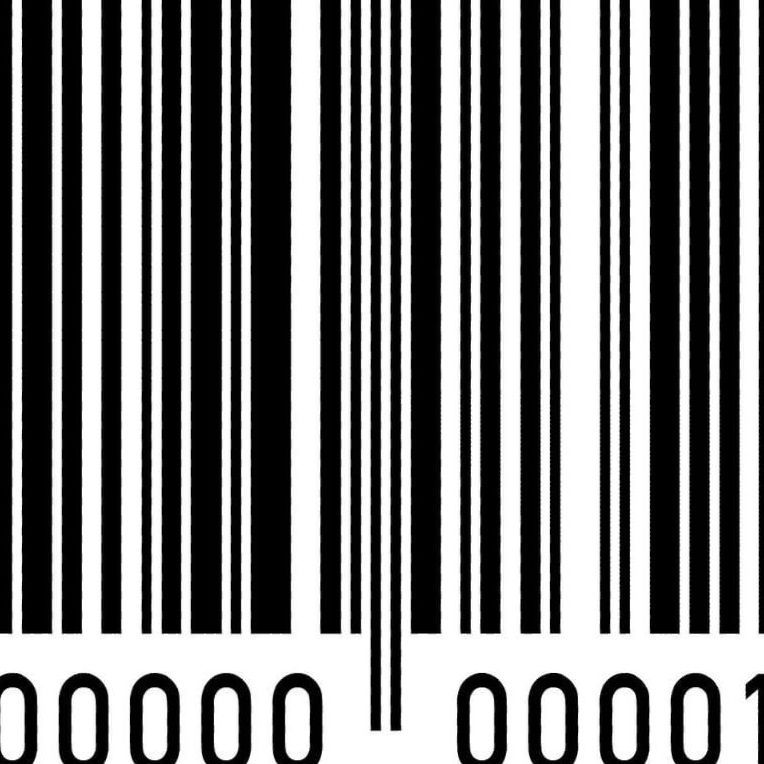
bar code
By sales May 3, 2025
Bar code symbologies differ in the amount of data that can be encoded. Some symbologies (such as UPC) are fixed in length; other symbologies can encode truly variable data. Some bar code symbologies also contain various characteristics to minimize errors, such as self-checking characters, start and stop characters, check digits and error correction characters.
Man in warehouse scanning with tablet and barcode scanner.
By Lisa Renshaw May 3, 2025
Bar codes offer the simplest, most accurate, cost-effective method of data entry and collection. Compared to manual entry methods which possess an error rate of one in every 300 characters entered bar coding is virtually error-free. With less than one error per one million characters entered, bar coding offers numerous advantages over traditional, manual methods of data entry. Bar codes can be printed at a low cost with a wide variety of printing techniques. Symbols can be scaled to suit particular requirements, can be printed at very high speeds, and can be read by a variety of readily available reading/scanning equipment. Bar codes offer exceptional security, minimize errors and offer highly successful first-time read rates. Scanning a bar code brings speed and productivity improvements, and real-time data interchange (via radio frequency scanning equipment) allows timely information to be accessed almost instantly while the data is still current. Bar codes are frequently printed with human-readable text, which allows for simultaneous automatic and human decoding. Additionally, reduced labor costs, improved organizational productivity and profitability can be realized with the implementation and use of a bar coding system. Any process or procedure that involves manual entry can be made faster and more accurate by using bar codes. Summary: Accurate data collection Faster data entry Real-time collection and dissemination of data More effective use of human and physical resources Elimination of manual data entry/retrieval systems Bar codes typically employ a parallel arrangement of varying-width bars and spaces, arranged in a particular pattern to incorporate data. Both the black bars and white spaces in bar code symbols are used to enter and decode data. While some bar codes use the bar height and/or diameter to incorporate data, linear symbologies are the most common form of bar codes in use today. Linear bar code symbols use a single row of parallel bars and spaces to encode information. The term “Symbology” is a set of rules describing how the data is incorporated into the various arrangements of bars. Symbology refers to the bar code language. Each language has different capabilities, rules and characteristics, much like human language. Scanners are typically programmed to decode one or more different symbologies, and communication cannot occur unless the reading and printing equipment use compatible symbologies (i.e., a scanner programmed to decode Code 39 will not be able to decode Code 128). Bar code symbologies differ in the amount of data that can be encoded. Some symbologies (such as UPC) are fixed in length; other symbologies can encode truly variable data. Some bar code symbologies also contain various characteristics to minimize errors, such as self-checking characters, start and stop characters, check digits and error correction characters.